
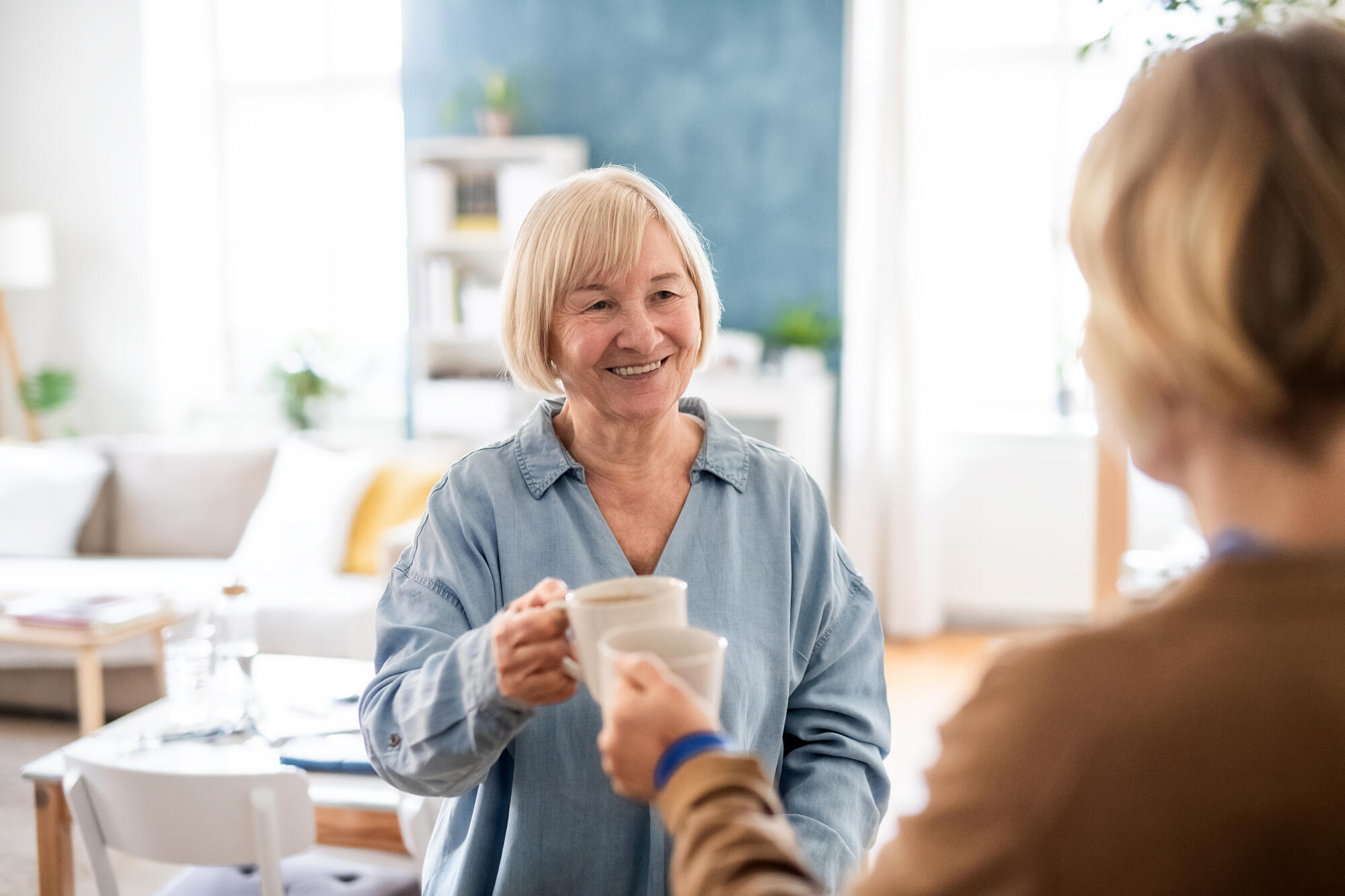
For aging adults, emotional safety, boundaries, and mutual respect form the backbone of a positive senior living social life. Knowing the difference between healthy vs. unhealthy relationships and recognizing worrisome signs like manipulation and possessiveness ensures that an individual’s social life remains supportive.
According to the WHO, around one-sixth of people aged 60 and over suffered from some form of abuse in a community setting in 2024. Recognizing what an unhealthy relationship looks like can help foster healthy aging environments. Columbia, SC, has plenty of mental health and counseling services available for seniors in the area.
Read on to know more about navigating relationships in senior living.
The Importance of Healthy Relationships in Senior Living
Healthy social connections have been linked to longer life spans, better cognitive health, and reduced depression. These social bonds also make you more resilient to stress and anxiety.
In senior living environments, relationships take on added significance due to each resident’s reliance on others in their community. Healthy relationships contribute to:
- Emotional safety for aging adults
- A sense of belonging and purpose
- Consistent mental stimulation
- Reduced stress and loneliness
- Greater satisfaction with senior living social life
In contrast, unhealthy relationships can erode confidence and create feelings of insecurity.
What Are the 5 C’s of a Healthy Relationship?
Many relationship experts identify five essential elements that form the foundation of strong, positive connections. These five elements vary based on the source, but the following provide good guidelines.
1. Communication
Clear, respectful communication prevents misunderstandings. It ensures needs are met, whether between residents, family members, or care providers.
Healthy communication involves setting realistic expectations. Some characteristics include:
- Active listening
- Keeping body language respectful and engaged
- Compromising on differences
- Giving positive feedback
- Avoiding judgmental tones or phrasing
2. Commitment
Strong relationships require dedication, consistency, and follow-through. In senior living, this often means showing up emotionally and socially for one another.
3. Compassion
Empathy is vital. Understanding the challenges and changes that come with aging helps people offer sincere kindness and support. It’s a bare minimum requirement for staff who work with senior residents.
4. Compatibility
Shared values, interests, or attitudes strengthen friendships and romantic connections. Compatibility helps seniors feel at ease around their peers.
5. Consideration
Healthy relationships honor feelings, schedules, and personal space. These are key components of comfort and emotional safety for aging adults. Boundaries and respect go hand-in-hand and cannot exist without one another.
Signs of Healthy vs. Unhealthy Relationships
A healthy relationship is one full of mutual support and encouragement. It reinforces autonomy rather than takes it away.
In contrast, relationship red flags include:
- Intensity
- Possessiveness
- Manipulation
- Isolation
- Volatility
- Deflecting responsibility
Sabotage is another way an unhealthy relationship expresses itself. This can happen when someone ruins your reputation, achievements, or success on purpose.
How Senior Living Communities Support Healthy Connections
Quality senior living communities craft healthy aging environments that promote strong relationships and prevent unhealthy ones. This includes structured social activities, resident-led clubs, and accessible mental health resources. Care teams encourage independence, protect autonomy, and respect boundaries.
Additionally, community design often plays a role. Open gathering spaces and shared dining experiences make it easier for seniors to connect. Healthy environments remove barriers to meaningful relationships rather than creating them.
Family members also become part of this supportive network. Regular communication, involvement in care decisions, and open dialogue with staff can help. It’s important for seniors to maintain these healthy relationships that reinforce emotional security.
Moving into an active independent senior living community usually means gaining access to various programs and group activities. Staff may also arrange for certain events as a way to connect the community with the rest of the locals in town.
What Is the Most Important Relationship for Most Senior Citizens?
While every senior is unique, the most important relationship for older adults tends to be the one with the highest sense of emotional safety and trust. For many seniors, this tends to be a close family relationship. This may be with an adult child, spouse, or long-time partner.
Familial relationships often carry the deepest history, allowing seniors to feel seen, understood, and valued. That said, senior living communities also recognize the profound importance of peer relationships.
Friendships formed later in life can prove transformative. They provide companionship and belonging when family is distant or unavailable.
The most important relationship varies from person to person. What matters most is that it offers love, stability, and emotional security.
Frequently Asked Questions
Why Do Healthy Relationships Matter More as People Age?
Healthy relationships become more important with age because seniors often face lifestyle transitions. They may have to deal with physical changes and shifts in independence.
Strong social connections provide emotional support, reduce loneliness, and encourage mental and physical activity. These are critical factors for healthy aging.
Can Unhealthy Relationships Develop in High-Quality Senior Living Communities?
Yes. Even in excellent communities, conflicts or unhealthy relationships can develop among residents, family, or caregivers. What matters is how quickly staff can address issues, support emotional safety, and reinforce healthy boundaries.
What Role Do Caregivers Play?
Caregivers often become part of a senior’s emotional support system. Respectful communication, patience, and attentiveness build trust. Caregivers should foster independence and encourage social interaction.
How Can Seniors Strengthen Their Own Relationships?
Seniors can benefit from practicing open communication and expression boundaries. They can participate in activities and cultivate friendships that feel safe and supportive. Staying socially active helps reinforce confidence and emotional well-being.
If a senior feels like they’re trapped in an unhealthy relationship, they should reach out to others in their support network for help.
Supporting Positive Relationships
Understanding healthy vs. unhealthy relationships empowers seniors and families to choose environments where well-being can flourish. It can also help individuals recognize when relationships have become toxic and work against their own safety and happiness. Senior living communities prioritize compassion and communication so aging adults can thrive socially, emotionally, and personally.
TerraBella Windsor Lake is an independent senior living community based in Columbia, SC. Residents can enjoy the local Soda City Market for food and music, or travel to Windsor Lake for boating and fishing. Contact our community with any questions and to set up a tour.