
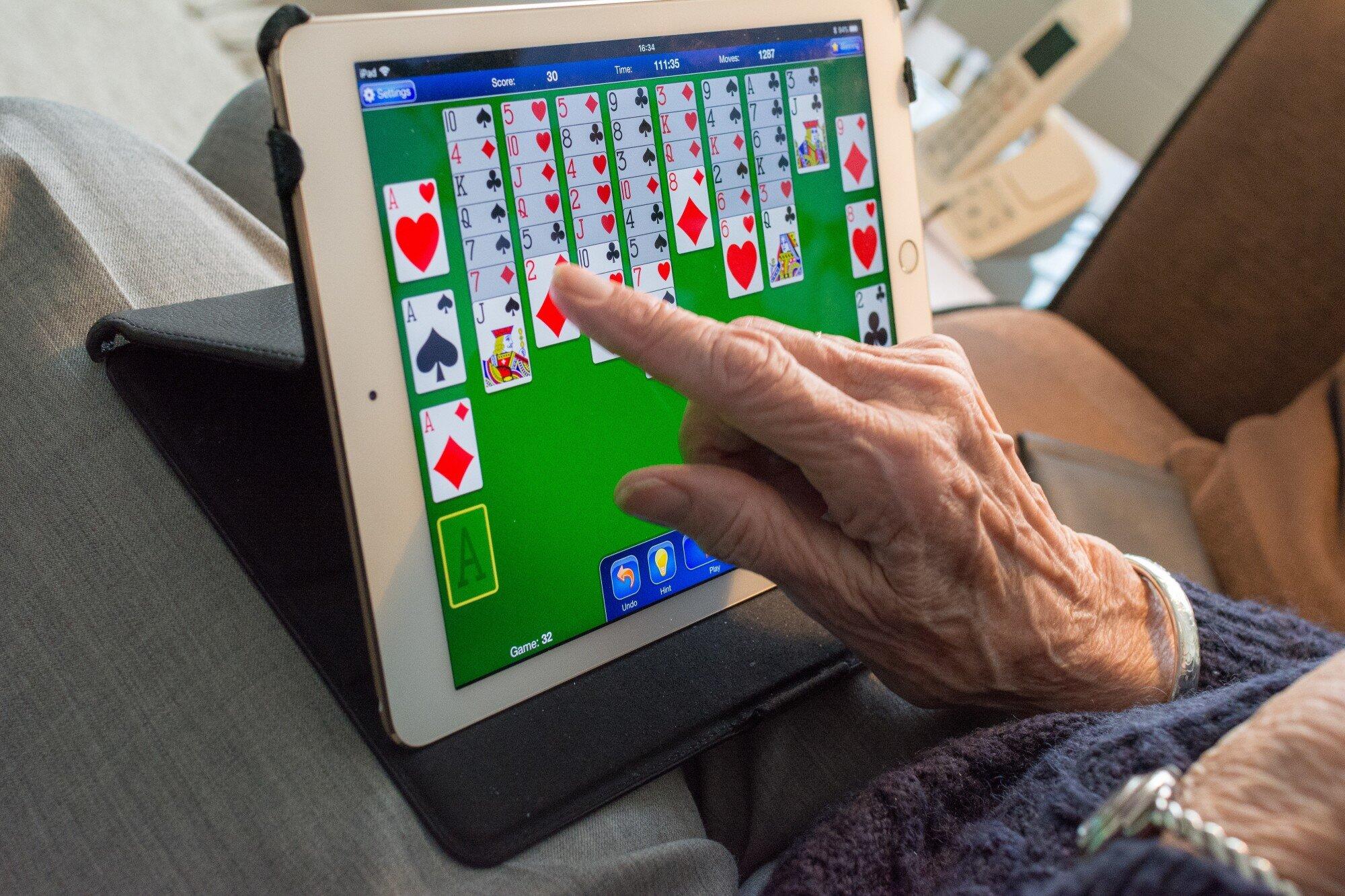
Brain exercises for stroke recovery include puzzles, memory games, music therapy, and reading activities. These exercises stimulate neural pathways and promote cognitive healing. These targeted activities help stroke survivors rebuild memory, attention, and problem-solving skills by harnessing the brain’s natural ability to form new connections.
According to research from Frontiers in Neurology, long-term cognitive impairments persist in 30% to 70% of stroke survivors. Early rehabilitation interventions, including cognitive stimulation, are associated with improved outcomes. The brain possesses remarkable plasticity, meaning it can reorganize itself by forming new neural connections throughout life.
Greenville, SC, offers a supportive environment for seniors navigating recovery. At TerraBella Greenville, our community understands how cognitive activities for seniors can enhance quality of life. The following guide explores effective exercises and strategies to support brain health after a stroke.
How Can You Stimulate the Brain After a Stroke?
Stimulating the brain after a stroke requires consistent, targeted activities that challenge cognitive functions. The key lies in the brain’s ability to rewire itself by forming new neural pathways. When stroke survivors engage in repetitive mental exercises, they strengthen these new connections and compensate for damaged areas.
Research from the American Heart Association confirms that cognitive rehabilitation helps individuals regain abilities in attention, memory, and executive function. The process involves working with speech-language pathologists, occupational therapists, and other specialists who design personalized programs.
Effective stroke recovery support includes several approaches:
- Memory games such as card matching and sequence recall strengthen short-term and working memory
- Problem-solving activities, including board games and strategy puzzles, enhance executive functioning
- Language exercises through reading, writing, and conversation practice support communication recovery
- Visual-spatial tasks help rebuild awareness, planning, and navigation abilities
Consistency can lead to meaningful improvements in cognitive function and daily independence.
What Games Are Good for Brain Exercises for Stroke Recovery?
Games offer an enjoyable path to cognitive rehabilitation. Crossword puzzles stand out as particularly beneficial, with researchers noting they may be superior to other brain games for improving memory. Word searches and Sudoku also provide excellent mental stimulation by requiring analytical thinking and pattern recognition.
Classic board games deliver multiple cognitive benefits. Options like Connect Four, Checkers, Mahjong, and Qwirkle require concentration, reasoning, organization, and memory. These games also provide social interaction, which ensures senior well-being during recovery.
Digital applications have emerged as valuable tools for senior brain workouts. They offer exercises targeting attention, brain speed, and navigation.
A study cited by Harvard Health found that aerobic exercise combined with cognitive training triggers the release of brain-derived neurotrophic factor (BDNF). This is a protein essential for neural growth and repair.
Jigsaw puzzles deserve special mention. They engage:
- Visual-spatial processing
- Problem-solving
- Fine motor coordination simultaneously
Starting with simpler designs and gradually increasing complexity allows survivors to build confidence while challenging their abilities.
How Long Does It Take for the Brain to Heal After a Stroke?
Recovery timelines vary significantly based on stroke severity, affected brain regions, and individual factors. The fastest progress typically occurs within the first three to four months following a stroke. During this critical window, the brain demonstrates heightened plasticity and responds strongly to rehabilitation efforts.
Recovery is an ongoing process that benefits from consistent therapy and practice over an extended period, making early intervention and continued rehabilitation important considerations for stroke survivors. Working closely with healthcare providers helps ensure individuals receive appropriate support tailored to their specific needs and recovery goals.
Signs of positive recovery include:
- Gaining independence in daily activities such as eating and dressing
- Needing fewer compensatory measures or assistive devices
- Demonstrating improved memory recall and attention span
- Showing enhanced problem-solving abilities in everyday situations
Track these milestones and adjust strategies to maximize long-term recovery potential.
Lifestyle Activities That Support Brain Health After Stroke
Memory improvement tips extend beyond formal exercises to include structured activities that contribute significantly to cognitive wellness. Incorporating diverse lifestyle practices creates a holistic approach to recovery.
Brain-healthy activities that support stroke recovery include:
- Music therapy through listening, singing, or learning instruments
- Reading short articles, poems, or books to rebuild attention
- Writing in journals or composing letters to strengthen language skills
- Moderate aerobic exercise like walking, swimming, or gentle yoga, three to four times weekly
- Regular social engagement with friends, family, and community groups
Social engagement and activities remain essential. Isolation negatively impacts cognitive function, while regular interaction with friends and family stimulates brain activity and reduces stress. Group activities at independent living communities provide structured opportunities for meaningful connection.
Frequently Asked Questions
Are Technology-Based Brain Training Programs Effective for Stroke Recovery?
Computerized cognitive training shows improvement in global cognition for stroke patients when practiced at medium to high intensity. Virtual reality rehabilitation programs have demonstrated an improvement in motor function at one-month follow-up. These tools work best when used under professional guidance as part of a comprehensive rehabilitation plan.
What Role Does Diet Play in Cognitive Recovery After Stroke?
Nutrition directly influences brain health and recovery. The Mediterranean and MIND diets, which emphasize plant-based foods, fish, and healthy fats, have been linked to slower cognitive decline. High-fat and high-sugar diets may decrease BDNF levels, the protein essential for neural plasticity, making dietary choices a critical component of stroke rehabilitation.
When Should Family Members Seek Professional Help for Cognitive Rehabilitation?
Families should consult speech-language pathologists or occupational therapists when survivors struggle with daily tasks and communication. Professional assessment identifies specific deficits and creates personalized treatment plans. Early intervention within the first three months maximizes recovery potential.
Building a Path to Cognitive Wellness in Greenville
Brain exercises for stroke recovery offer seniors a meaningful path toward cognitive wellness and independence. Through puzzles, games, music, and daily mental challenges, stroke survivors can harness neuroplasticity to rebuild essential cognitive functions.
Located just outside downtown Greenville, TerraBella Greenville pairs cognitive rehabilitation with rich daily living through chef-prepared dining, fitness and wellness classes, and a robust calendar of social events. With access to Upstate museums, the Peace Center, and wellness venues, residents enjoy many local attractions that support recovery.
Discover how our community can support your journey — schedule a visit today and learn more about independent living for seniors.