
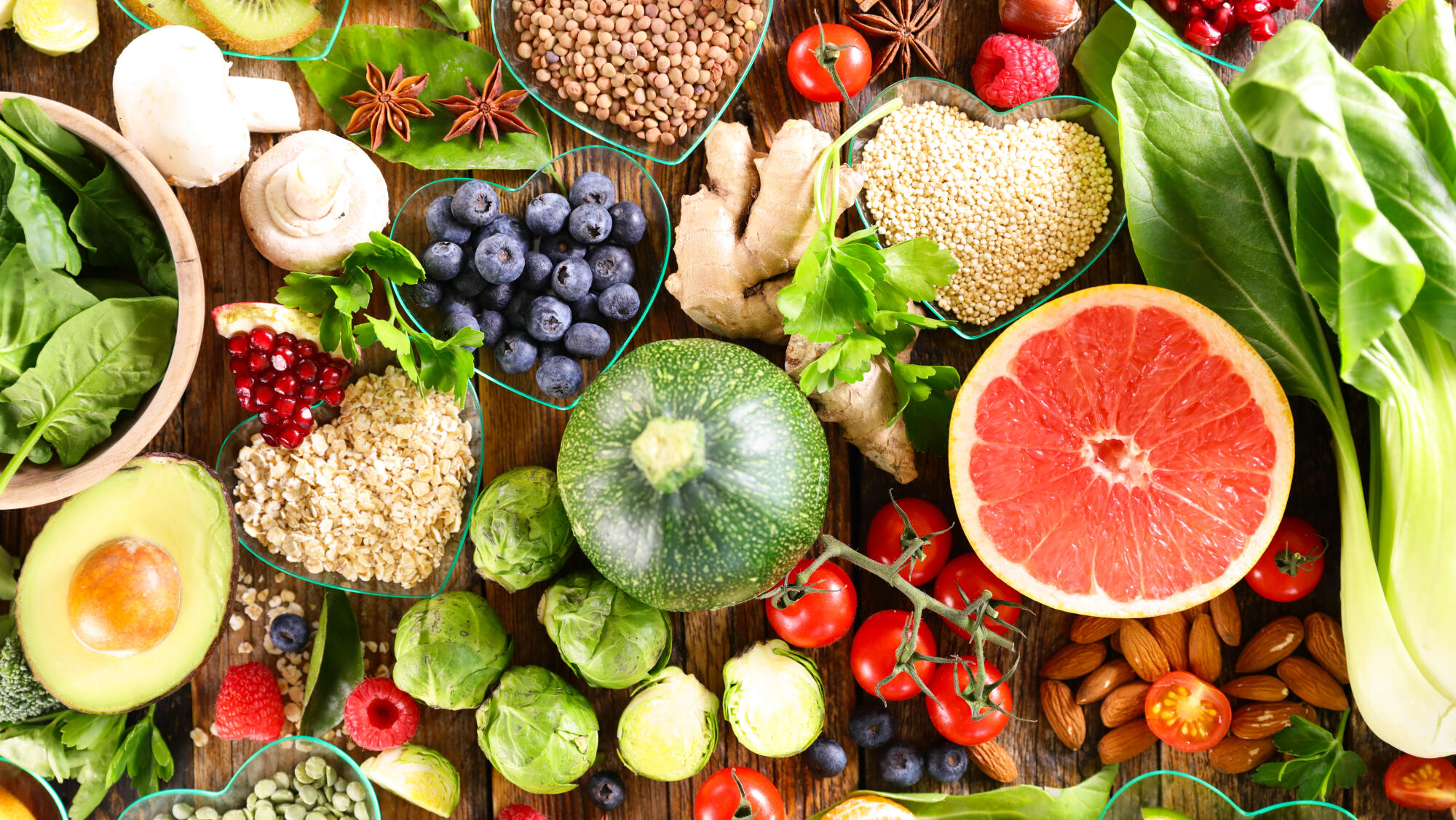
If you are wondering, What are the best foods for brain health?, the most helpful answer is to focus on a consistent eating pattern, not a single magic ingredient. Here at TerraBella Riverplace, we make brain-healthy eating easier by offering restaurant-style dining and a routine that takes the daily work out of planning, shopping, cooking, and cleanup. Our goal is to make it easier to keep good habits going.
This matters because many adults notice changes in thinking and memory as they age. The CDC notes that about 1 in 10 adults age 45 and older report worsening memory loss, sometimes called subjective cognitive decline. Our setting in beautiful Columbus, Georgia, famous for its Chattahoochee Riverwalk, which is perfect for walks and bike rides, is the ideal spot for a retirement that’s meaningful and supports good cognitive health.
What Are the Best Foods for Brain Health?
When people ask this question, most sources point them toward the kinds of meals that show up again and again in Mediterranean-style and MIND-style patterns. The National Institute on Aging notes that evidence is mixed, but these patterns are often linked in studies with better cognitive outcomes. They emphasize plant-forward meals, whole foods, and healthier fats.
At TerraBella Riverplace, we make it easy to make those choices more consistently because meals are part of your normal routine, not another task to manage.
Build A Brain-Supportive Plate More Often Than Not
A practical way to think about memory support nutrition is to include a few steady building blocks at most meals:
- Colorful vegetables
- Fruits
- Whole grains
- Beans and lentils
- Nuts and seeds
- Fish and seafood
- Olive oil and plant-based fats
This is the foundation of a cognitive wellness diet because it supports steady energy, gives your brain a wide range of nutrients, and reduces the habit of relying on highly processed convenience foods.
Make Mealtimes Do More Than Feed You
Food choices are only part of the story. In real life, the people you eat with and the consistency of the routine matter too. We make it easy to keep meals social and predictable, which supports mental clarity in aging because the day feels more structured and less isolated.
A few simple ways we see residents keep brain foods for seniors as a regular part of their mealtime routines include:
- Choosing a familiar, comfortable seating routine
- Aiming for variety across the week, not perfection in one meal
- Adding one produce choice at each meal when possible
- Treating breakfast as a real meal, not an afterthought
Keep Consistency Simple With Community Dining
Healthy choices tend to stick when they are easy to repeat. We support brain-healthy eating with an enjoyable dining experience and a steady cadence to the day, so residents can focus on enjoying meals instead of managing everything around them.
What Drink Is Good for Brain Memory?
For most older adults, the most helpful drink for brain memory is the one that supports hydration without adding a lot of sugar. Water is the simplest default, and it is easy to overlook how much hydration affects the way you feel day to day. The National Heart, Lung, and Blood Institute highlights that dehydration impacts many aspects of health, making it a crucial part of staying well as we age.
If you want variety, unsweetened tea or coffee can be sensible options for many people, especially when they help you drink more fluids without turning into a sugary habit. What is usually less helpful for mental clarity in aging is making sweet drinks a daily routine, because added sugars can crowd out more nourishing choices.
What Is the #1 Worst Eating Habit for Memory Loss?
There is no single habit that guarantees memory loss. However, one of the most common patterns that can quietly work against memory support nutrition is relying too often on ultra-processed, sugary, and refined foods instead of real meals.
Harvard Health highlights concerns around diets high in added sugars and less nutrient-dense foods, noting that these patterns can be linked with poorer health outcomes that matter for the brain over time.
Frequently Asked Questions
How Can We Make Brain-Healthy Eating Feel Doable?
Start with one repeatable change, not a full overhaul. Choose a simple anchor such as adding a vegetable at lunch, switching to a whole-grain option you already like, or having a protein-forward breakfast a few days a week. Then keep it steady for two weeks before adding anything new.
What Are Signs That Our Current Eating Pattern Needs More Support?
Look for patterns that show up across the week, not one off day. Skipped meals, frequent packaged snacks replacing meals, low variety, or a steady drop in interest in cooking can all be signals.
If the pattern is new or feels concerning, it can also help to discuss it with a clinician, as medical factors may be at play. For everyday planning, focusing on routine, social meals, and nutrient-dense options is usually a strong starting point. Of course, independent living makes this easy, with healthy choices available each day.
How Can We Support Better Nutrition Without Turning Meals Into Pressure?
Keep it calm and choice-based. Offer two appealing options instead of pushing one plan. Focus on comfort, pace, and a relaxed setting so meals feel inviting again.
Treat snacks as mini-meals when needed, and aim to make earlier meals more nourishing if evenings feel harder. This supports emotional impact on nutrition by reducing stress around eating and making consistency easier to maintain.
A Supportive Next Step for Good Cognitive Health
The answer to the question, What are the best foods for brain health?, focuses on plants, variety, and making wise choices most of the time. At TerraBella Riverplace, we support brain-healthy eating with an enjoyable dining experience, a steady daily rhythm, and community life that makes meals feel social and worth showing up for.
U.S. News & World Report recognized us as the Best Independent Living for 2025. So why settle for second best?
Schedule a tour and see the difference for yourself today!