
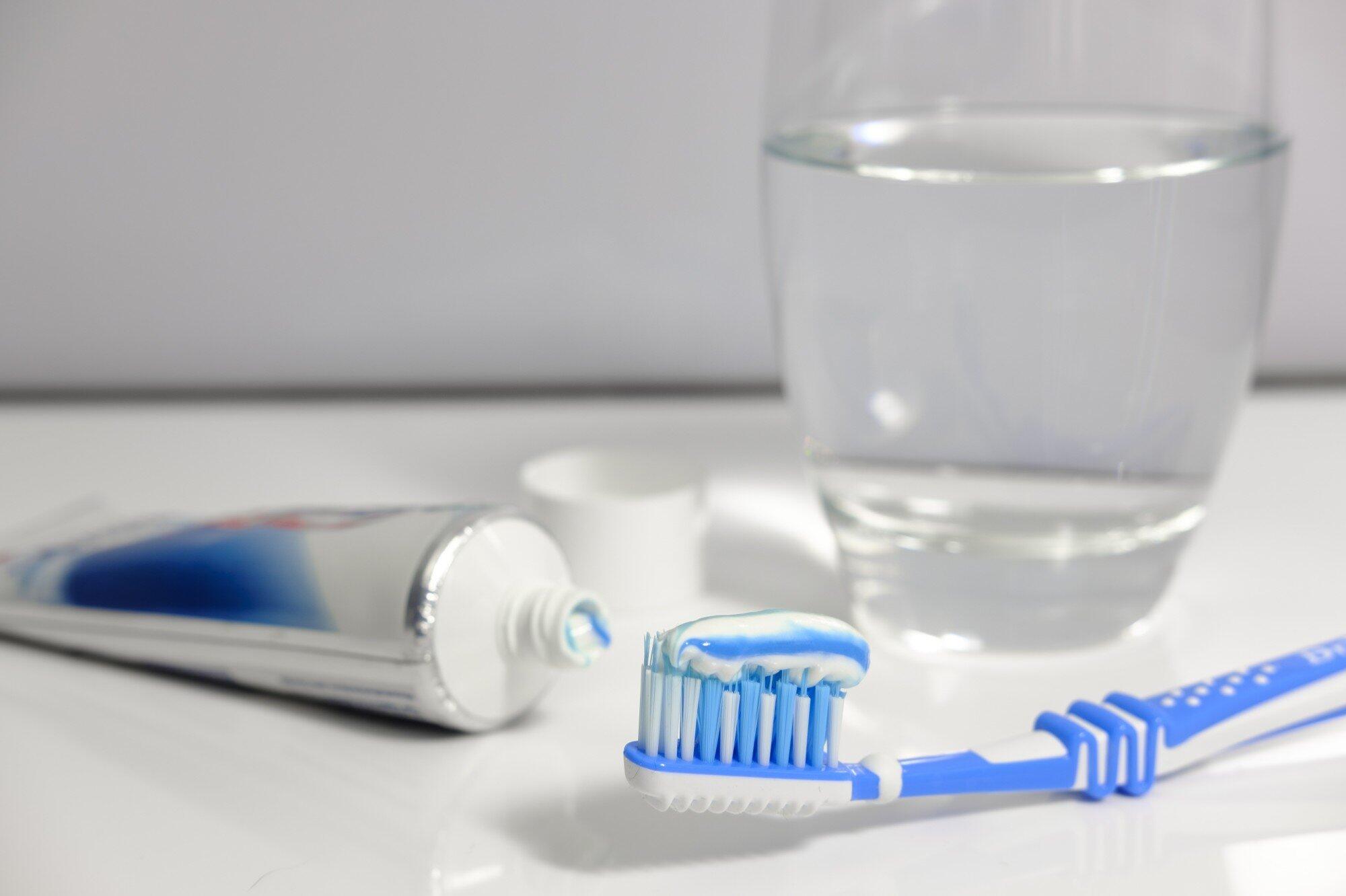
There’s a connection with oral health and heart disease: poor dental health may increase your risk of a stroke or heart attack. Improving your senior dental health may reduce your risk, allowing you to enjoy a happy and healthy retirement in Greenville, SC.
According to the World Health Organization, oral diseases affect nearly 3.7 billion people worldwide. Untreated tooth decay in permanent teeth is the most common health condition, though it’s preventable. Many people, however, don’t realize the link between oral health and heart disease.
Poor oral health, including gum disease and tooth loss, could increase your risk of cardiovascular problems like a heart attack or stroke. Learning how to maintain good senior dental health may help reduce your risk.
How are dental and heart health connected, and what healthy habits can you adopt to reduce your risk of issues? Read on to find out about a healthy retirement in Greenville, SC.
How Are Oral Health and Heart Disease Connected?
According to research published by the Harvard Medical School, people who have poor oral health have higher rates of cardiovascular problems than those with good oral health. Medical experts theorize that the bacteria from gingivitis and periodontitis can travel to the blood vessels. The resulting blood vessel inflammation and damage may cause blood clots, which may lead to a stroke or heart attack.
Inflammation is the body’s natural immune response. It may trigger a cascade of vascular damage throughout the body. This damage can injure the brain and heart.
Oral bacteria can release toxins, damaging the blood vessels’ inner lining. This affects their ability to relax and contract, leading to plaque build-up. This build-up may lead to blood clots.
Both gum and cardiovascular disease are associated with genetic contributors. For example, people without health insurance or less access to healthcare are more likely to have both heart disease and poor oral health.
There’s a moderate correlation between tooth loss and coronary heart disease. Tooth loss is a measure of poor oral health.
Smoking may contribute to both tooth loss and cardiovascular disease as well.
According to CareQuest Institute for Oral Health, the odds of having a first heart attack are 28% higher for people with gum disease. People with gum disease are also three times more likely to have a stroke involving blood vessels in the back of the brain. Having an oral infection or tooth decay during childhood may also contribute to clogged arteries in adulthood.
Poor oral health is associated with other health conditions, including rheumatoid arthritis and pancreatic cancer. Schedule routine check-ups with your dentist and primary doctor. They can help you make personalized adjustments to improve your overall IL wellness.
What Lifestyle Triggers Heart Failure?
As you prioritize healthy aging and heart health, consider making changes to your lifestyle. Habits that could potentially trigger heart failure include:
- Eating too much processed sugar
- Not getting enough exercise
- Neglecting your mental health
- Experiencing excessive stress
- Not practicing good oral hygiene
- Eating foods that are high in sugar and saturated fat
- Smoking and drinking excessively
- Taking too many pain relievers
Instead of eating processed foods that are high in sugar or sodium, try snacking on fruits, vegetables, and nuts. You can find healthy snacks through your senior living community’s dining program.
A sedentary lifestyle may increase your risk of heart disease, diabetes, and other chronic conditions. Try to get 150 minutes of moderate-intensity physical activity and two strength training sessions a week. You can find engaging exercise classes through your senior living community’s fitness program.
Poor mental health (anxiety, depression, chronic stress) could affect your heart health. Stress increases cortisol production, which can increase your blood pressure and risk of heart disease.
Oral health and heart disease are connected. Practice good oral hygiene by brushing twice a day and flossing daily.
Senior Dental Health Tips
You can improve your oral health and heart health by:
- Brushing at least twice a day
- Flossing at least once a day
- Eating a healthy diet rich in nutrients
- Reducing your intake of added sugars and processed foods
- Avoiding smoking and tobacco use
- Sharing your medical history with your dentist
- Taking medications as prescribed and tracking side effects
According to the American Heart Association, people who floss have a lower rate of incident ischemic stroke, cardioembolic stroke, and atrial fibrillation. Flossing may help reduce systemic inflammation, which is a risk factor for cardiovascular disease.
Talk to your health care team to discuss the connection between oral health and heart disease. They can offer personalized recommendations based on your unique needs.
Frequently Asked Questions
What Are the Signs of Bad Oral Health?
Common signs of bad oral health include:
- Toothaches
- Sensitivity
- Bloody or sore gums
- Mouth sores
- Bad breath
- Dry mouth
- Cracked or broken teeth
- Stained or discolored teeth
- Jaw pain or popping in the jaw
Consult a dentist if you experience these signs of bad oral health. They’ll ensure you begin the proper treatment before you experience complications.
Bad oral hygiene could increase your risk of other chronic health conditions. These include:
- Blood clots
- Coronary artery disease
- Strokes
- Diabetes
- Lung disease
Consider scheduling regular check-ups with your doctor. They can assess your overall health to make personalized recommendations.
What Are the Signs Your Heart is Quietly Failing?
The main symptoms of heart failure include:
- Swollen legs and ankles
- Feeling lightheaded or fainting
- Feeling tired most of the time
- Breathlessness after activity or at rest
Some people also experience a fast heart rate, dizziness, or a persistent cough. These symptoms may occur gradually over weeks or months. However, they can also develop quickly.
Consult a doctor if you experience persistent or worsening symptoms.
IL Wellness With Healthy Habits
To recap, yes: there is a connection between oral health and heart disease. Neglecting your oral hygiene may increase your risk of a heart attack and stroke. Adopting healthy habits may lower your risk and benefit your overall IL wellness.
You can find more helpful resources through your senior living community. TerraBella Greenville offers six exclusive senior lifestyle programs, allowing you to enjoy a maintenance-free life.
Enjoy gourmet, chef-prepared meals through Sensations Dining, Celebrations Activities & Events like bingo and book club, or Dimensions Health & Fitness classes. Contact us now to schedule your tour.