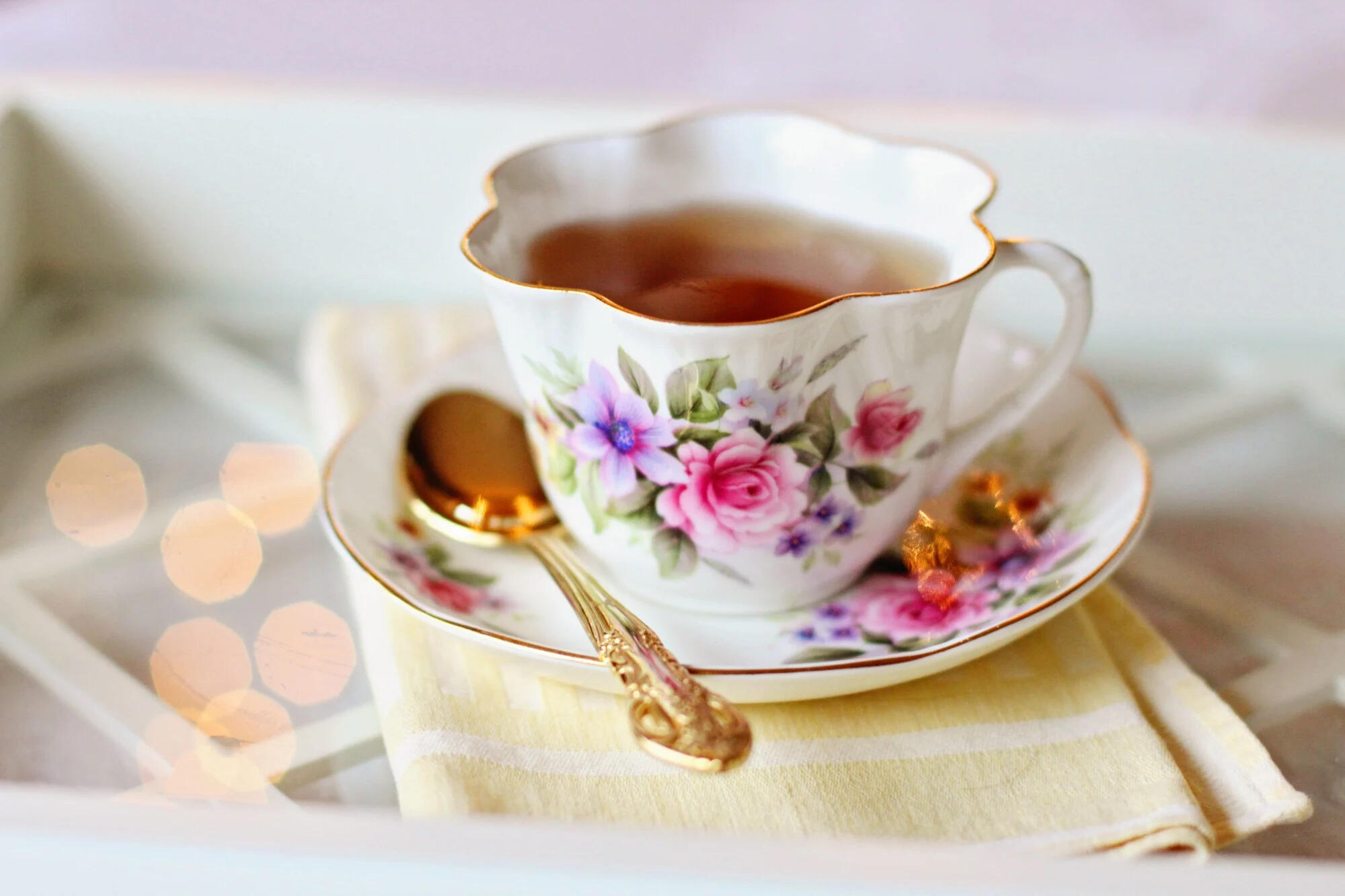
Medicine and holistic healing have a long history of using tea for heart health, especially to accompany your medicine regimen. Herbal, rooibos, and green teas are considered the best teas for cardiovascular health. Avoiding high-caffeine or high-sugar teas is recommended.
Studies from the American Heart Association show that 55% fo 98% of adults above the age of 60 have at least two chronic diseases. Many of these relate to our cardiovascular health, making heart-healthy habits critical for our daily wellness routines.
Hendersonville, NC, is the perfect city to settle in and live out the best years of your life. Our proximity to the Blue Ridge Mountains provides our residents with unmatched natural beauty and holistic relaxation.
So, how will tea for heart health impact your natural heart support regimen? If you’re interested in aging and cardiovascular care, we’re here to help. Read on for a brief guide on senior nutrition tips and how tea can help your heart.
Will Tea Truly Help?
Will tea truly help with your cardiovascular health? While many people view tea as a holistic healing method rather than “truly” medical, tea has a long history in our medicine.
However, it’s too broad to say that all tea is healthy. The truth is that there are dozens of different ways to prepare tea, as well as countless teas to choose from. As such, there’s no broad statement that one can make over all teas.
Harvard Health considers tea as part of a healthy and nutritious diet. Naturally, that means it’s ideal when added to an already-healthy diet. Only drinking tea will not fix your health issues in the vast majority of cases.
Your first step should be to speak to your community members and caretakers. They can help you see what sorts of teas are readily available as you start our journey. Here at TerraBella Hendersonville, our extensive amenities include dining support, including chef-designed meals!
Picking the Best Teas
How do you know which teas are the best for your health? We’ve made a list of some of the teas that are ideal for natural heart support.
It’s important to note that choosing a good tea for heart health doesn’t mean replacing your medicine regimen. These teas should all be added to your daily wellness routines, not replacing them!
Additionally, this list is only a sample of what’s available. While these teas are the most healthy and popular by some metrics, there are plenty of others out there if none of these are desirable.
Rooibos Tea
Rooibos tea, also called red bush tea, is a naturally caffeine-free tea from South Africa. While one of the lesser-known popular teas, it’s widely sought after for its medicinal properties.
Healthline lists rooibos as one of the most antioxidant-rich teas you can find. That makes it a great addition to your morning diet, but its lack of caffeine means it won’t make you jittery!
Rooibos has notes of vanilla and cinnamon for many drinkers. It mixes well with honey, brown sugar, or light cream.
Green Tea
Green tea is one of the first teas we reach for when we want something healthy. Green tea has plenty of health benefits. According to Healthline, some of those benefits include:
- Fighting cancer-causing inflammation
- Helping to prevent stroke and heart disease
- Lowering your blood sugar
- Easing stress and anxiety
Additionally, green tea is low in caffeine. That means it’s the perfect tea for a morning (or afternoon) where you’re weaning off your caffeine. If you’re trying to replace coffee, green tea is one of the first choices you should make!
There are also reports of green tea helping with weight loss, as well as benefiting your youthful appearance. Healthline states that green tea can increase collagen and elasticity, helping to combat wrinkles.
Herbal Tea
Herbal teas are oddly controversial in the tea community. Some people believe “true” tea only comes from the leaves of a tea plant. Others believe that tea is anything steeped in water.
What both agree on, however, is the undisputed health benefits of herbal tea. However, as this category is so broad, it’s important that you pick an herbal tea before you assume it’ll be healthy. While it may be healthy, it might not have the health benefits you’re specifically seeking.
Hibiscus tea is one of the most popular herbal teas. Made from the petals of a hibiscus plant, hibiscus is a deep-red tea that’s naturally sweet, eliminating the need for sugar. It’s popular in senior living communities for its lack of caffeine and cardiovascular benefits.
Common Questions
What Teas Should I Avoid?
There’s no specific tea that we feel right telling you to completely avoid. What we recommend moderating is your additives to your tea!
Think of it like popcorn. Plain popcorn is an extremely healthy snack, but we tend to cover it in butter and salt. The result is an extremely unhealthy snack.
Tea is the same. The healthiest cup of green tea becomes unhealthy when heavily sugared, and boba pearls in milk tea are also considered relatively unhealthy.
Will Tea Replace My Medications?
This is something you should only discuss with your primary care physician. While tea can be exceptionally healthy and a great addition to your usual health and wellness routine, it isn’t going to outperform modern medicine.
More likely, tea is going to work with your medicine. That’s especially the case for medicines focused on blood pressure regulation or general health.
Mastering Tea for Heart Health
Finding the right tea for heart health benefits means taking the time to understand the teas available to you. Herbal teas, green teas, and rooibos are some of the best options for general cardiovascular health. Whatever you choose, avoid putting too much sugar into your tea.
Here at TerraBella Hendersonville, we know that there’s more to comfort in your golden years than a cup of tea. Our senior living community is located comfortably in the Blue Ridge Mountains, giving you nearly unlimited choices for natural beauty around us. Contact us today to schedule a tour of your future home.