
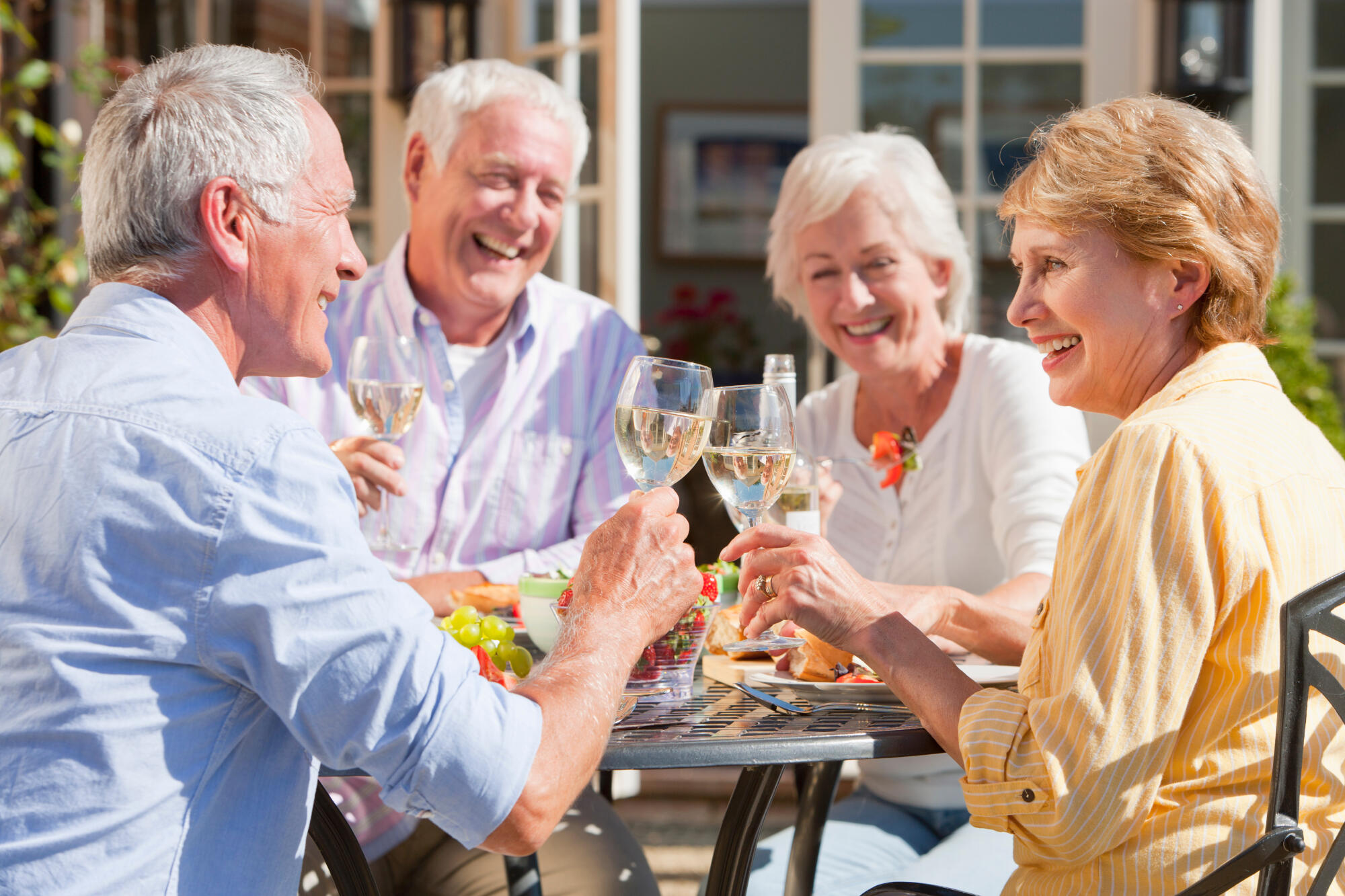
Social interaction supports health and happiness in retirement by keeping the mind active and the heart fulfilled. Staying socially connected helps reduce loneliness, promotes emotional balance, and improves overall well-being.
According to the University of Michigan, around 33% of seniors are lonely nowadays.
Retirees who nurture friendships and engage in shared experiences often enjoy more purpose and joy each day. Meaningful interaction creates a sense of belonging that supports both mental and physical health.
Whether through casual chats, group activities, or volunteer work, social engagement offers structure and meaning. A friendly conversation or shared hobby can brighten the day and reduce stress. Read on to learn more about why every senior in Athens, GA, should make socializing a priority.
Why Is Social Connection So Important for Seniors?
Human connection gives life meaning at every age, but it becomes especially vital during retirement. After leaving the workforce, many people experience a change in daily routines and fewer opportunities for regular interaction. Social engagement fills that gap by bringing the following:
- Energy
- Comfort
- Companionship
Daily connections with others stimulate the brain and keep emotions steady. Conversations, laughter, and shared hobbies help maintain memory and mental sharpness. Emotional support from peers also makes it easier to handle life transitions or changes in health.
Social bonds encourage seniors to stay active as well. Joining walking groups, book clubs, or art sessions combines movement with interaction, benefiting both body and mind. The result is a happier, more balanced lifestyle that promotes long-term senior wellness.
How Does Community Engagement Influence Happiness in Retirement?
Community engagement in GA and across the country shows how shared purpose boosts happiness. Retirees find renewed meaning and self-worth when they take part in the following:
- Volunteer work
- Local events
- Group learning
Helping others or contributing to the community gives each day a sense of direction.
Being part of a group fosters a feeling of connection that supports emotional health. People feel valued when they contribute ideas, share experiences, or lend a helping hand. Friendships grow naturally from shared effort and teamwork, leading to stronger resident bonding.
Group living benefits also emerge when seniors come together to support one another. Simple activities such as shared meals or group gardening bring joy and encourage consistent interaction. Staying socially active promotes optimism and creates an atmosphere of mutual care.
What Are the Mental and Physical Benefits of Staying Socially Active?
Social engagement does more than boost mood. It supports both mental and physical strength.
Regular communication helps keep feelings of isolation at bay and improves cognitive health. Seniors who maintain friendships and social hobbies tend to experience depression or anxiety less often.
A positive outlook on life can also have a wonderful impact on physical wellness. People who feel connected often have more motivation to stay active and eat well. Joining exercise classes or walking groups blends fitness with companionship, turning healthy routines into enjoyable habits.
Laughter and conversation release stress and support heart health. Even small daily connections, like chatting with a neighbor or attending a group activity, help reduce blood pressure and improve relaxation. Every friendly exchange strengthens a sense of purpose and belonging.
Engagement also inspires curiosity and lifelong learning. Seniors can keep their minds flexible and alert by exploring new interests, such as:
- Music
- Crafts
- Storytelling
Social learning opportunities provide fun ways to challenge the brain while fostering friendships.
Frequently Asked Questions
How Can Seniors Build New Friendships After Retirement?
Seniors can build new friendships by joining:
- Local clubs
- Hobby groups
- Community programs
Shared interests make starting conversations and forming meaningful bonds a breeze. Attending social gatherings, volunteering, or participating in group classes also helps create daily connections that feel natural and supportive.
What If A Senior Feels Shy or Nervous About Meeting New People?
Feeling shy is normal, especially when entering new situations. Start with small steps, such as greeting a neighbor or attending a small group event.
Simple interactions can grow into steady friendships over time. Confidence increases as comfort develops, and many others share similar feelings.
How Does Social Interaction Help Prevent Loneliness?
Regular social contact gives people a sense of purpose and belonging. The following can fill emotional gaps that isolation can create:
- Talking with others
- Sharing meals
- Joining activities
When seniors maintain social routines, they feel seen, heard, and appreciated, which greatly reduces feelings of loneliness.
Can Technology Help Seniors Stay Connected?
Yes, technology offers valuable ways to stay in touch. The following can help maintain relationships even when in-person visits are limited:
- Video calls
- Social media
- Online groups
Learning to use technology makes it possible to form new friendships and support networks across long distances.
How Do Group Activities Improve Senior Wellness?
Group activities combine fun with mental and physical benefits. The following can encourage movement, creativity, and laughter:
- Exercise classes
- Art workshops
- Discussion groups
Sharing experiences with others builds emotional strength and keeps spirits high, reinforcing the positive effects of community engagement.
Why Is Resident Bonding So Important in Group Living?
Resident bonding encourages teamwork and shared understanding. When people live or spend time together, friendly relationships make daily life smoother and more fulfilling. Strong bonds create a network of care where everyone feels included and valued.
What Are Some Easy Ways to Stay Social Every Day?
Simple habits can make a big difference. Doing these things can build social rhythm:
- Greeting others during walks
- Joining a coffee group
- Attending local events
Even brief conversations bring warmth and help maintain emotional health. Consistency helps keep connections alive and uplifting.
Social Interaction Is Vital for Senior Wellness
Social interaction is essential for maintaining health and happiness in retirement. Connections with others bring meaning, comfort, and motivation each day. Every conversation, shared meal, or group experience adds to a sense of fulfillment.
Community engagement supports emotional balance and strengthens the spirit through shared purpose, which is why we make it a priority. Contact TerraBella Epps Bridge to learn how our senior living community supports social, physical, and mental wellness. We plan engaging activities every day, including campfire jams and gooey grahams, fitness classes, live performances, dominoes, morning prayer, and so much more.