
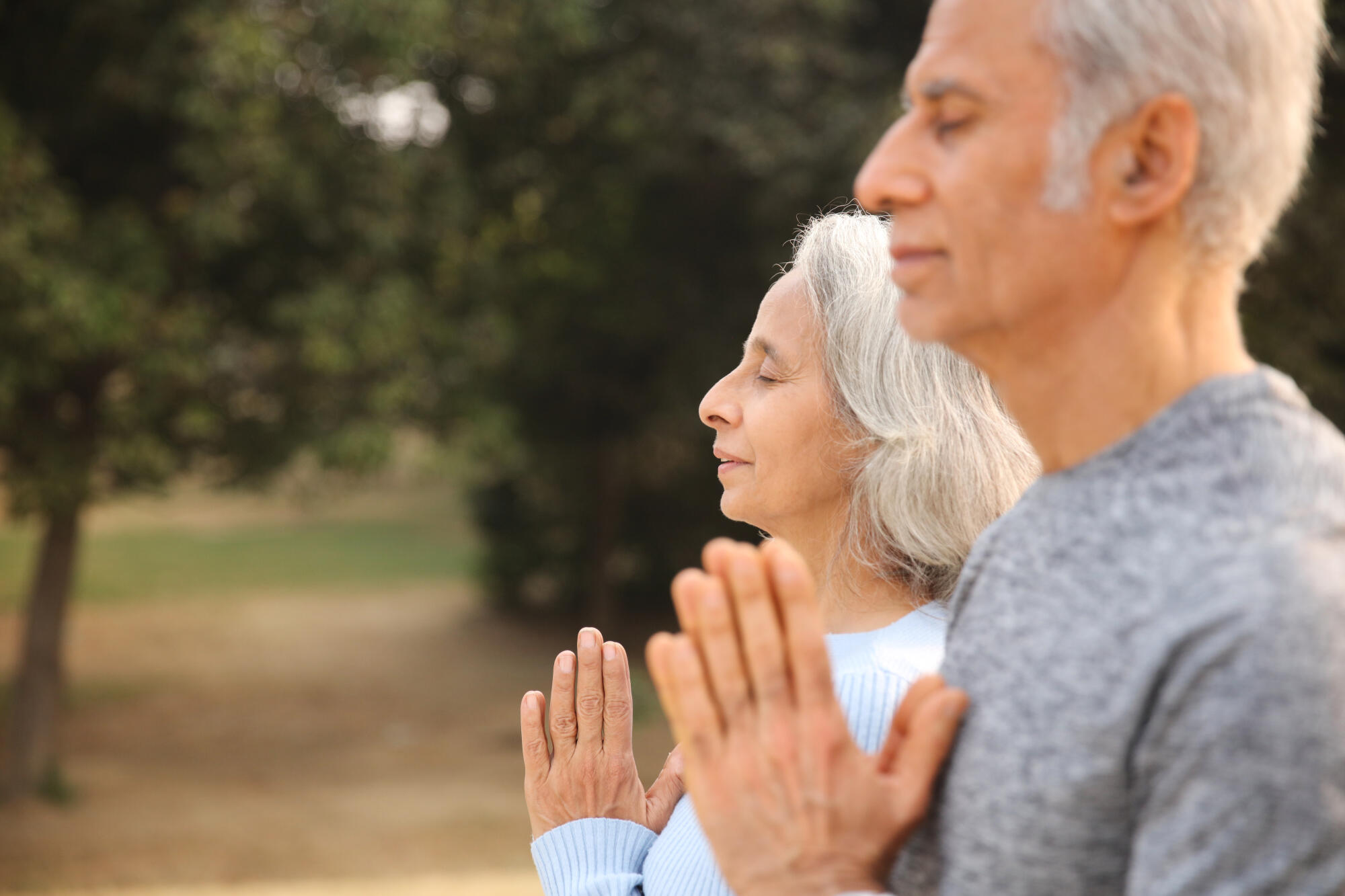
Simple emotional self-care ideas like mindfulness, creative hobbies, social connection, or quiet reflection help seniors feel more balanced, supported, and emotionally grounded.
Did you know that more than one-third of adults aged 50-80 report feeling socially isolated and emotionally unsupported, especially common in older populations? (Institute for Healthcare Policy and Innovation at the University of Michigan).
In the coastal town of Southport, NC — known for its scenic waterfront, historic charm, and welcoming community — the focus on holistic well-being gains even more meaning. Older adults living in senior-friendly settings can tap into emotional self-care practices that promote strength, connection, and resilience through all aspects of life.
Let’s explore effective ideas to support holistic health in senior living and practical ways to feel emotionally balanced, engaged, and uplifted.
What Are the Signs of Poor Emotional Well-Being in Seniors?
Recognizing early signs of emotional decline helps families and caregivers offer support before challenges grow harder to manage. Many seniors may not openly express sadness or stress, so understanding subtle changes becomes essential.
Common signs of poor emotional well-being include:
- Withdrawal from social activities or favorite hobbies
- Noticeable changes in appetite or sleep patterns
- Increased irritability, anxiety, or restlessness
- Loss of motivation or a decline in daily engagement
- Difficulty concentrating or remembering tasks
These signs often appear gradually, but paying attention to them can make a meaningful difference in supporting emotional balance and overall holistic health.
Why Is Emotional Well-Being So Important for Seniors?
Emotional well-being plays a major role in how older adults think, feel, and function each day. When seniors feel supported, connected, and emotionally balanced, they’re more likely to stay engaged in hobbies, enjoy social interactions, and maintain a positive outlook on life. This emotional stability also supports overall health by improving sleep, boosting immunity, and reducing stress-related symptoms.
On the other hand, poor emotional well-being can lead to withdrawal, irritability, low motivation, or a loss of interest in once-enjoyed activities. It can also worsen memory challenges, increase anxiety, or contribute to physical health issues such as fatigue or chronic tension.
Focusing on emotional health allows caregivers and families to foster supportive spaces that enhance comfort, confidence, and resilience throughout senior living.
Emotional Self-Care Ideas to Support Holistic Health in Senior Living
Building strong emotional wellness in aging starts with simple, intentional habits that help seniors feel grounded, connected, and supported each day. These practices are easy to adapt within a senior living community and offer steady benefits for mood, resilience, and overall quality of life.
Practice Mindful Breathing and Relaxation
Gentle breathing exercises can calm the nervous system and promote daily emotional balance. A few minutes each morning helps seniors reduce tension and start the day with a clearer mind. Pairing breathing with quiet reflection supports smoother transitions through emotional ups and downs.
Engage in Creative Activities
Art, music, journaling, or crafting offer powerful outlets for expression and stress relief. Creativity boosts confidence and stimulates memory while providing a soothing space for personal reflection. For many residents, this becomes a favorite form of stress management for seniors because it feels both enriching and restorative.
Stay Socially Connected
Regular interaction is essential for emotional strength, especially for those who may struggle with loneliness or isolation. Phone calls, group activities, or shared meals nurture belonging and offer meaningful support for older adults. Social engagement also increases mental stimulation, helping seniors stay alert and connected.
Enjoy Nature and Light Movement
Spending time outdoors, whether walking a courtyard path, tending a small garden, or simply sitting in the sun, can dramatically improve mood and energy. Light movement also supports holistic health in senior living by integrating physical activity with emotional rejuvenation. Nature’s calming effect is especially powerful in a scenic spot like Southport.
Establish a Comforting Daily Routine
Predictable routines help seniors feel secure and emotionally balanced throughout the day. Simple habits like morning tea, reading time, or evening reflection help reinforce emotional grounding. A steady rhythm also encourages positive coping behaviors during stressful moments.
How Can Families and Caregivers Support a Senior’s Emotional Well-Being?
Emotional health doesn’t happen in isolation; families, caregivers, and close companions play an essential role in helping older adults feel grounded, understood, and uplifted. Supportive interactions create reassurance and help seniors feel more connected to their daily experiences.
Caregivers and loved ones can strengthen emotional wellness through:
- Meaningful communication that encourages seniors to express feelings and stay socially connected
- Shared routines, such as walks, meals, or hobbies, that bring comfort and structure
- Positive reinforcement that boosts confidence and motivation
- Encouraging independence in small daily tasks to reinforce dignity and self-worth
This kind of consistent, compassionate involvement gives seniors emotional stability and strengthens holistic health in senior living communities.
Frequently Asked Questions
How Often Should Seniors Practice Emotional Self-Care?
Most older adults benefit from small daily habits like journaling, light movement, or quiet reflection, paired with weekly activities such as social visits, group classes, or creative hobbies.
Can Emotional Self-Care Really Improve Physical Health?
Yes. Strong emotional wellness can lower stress levels, improve sleep quality, and support healthier immune function-all of which contribute to better overall well-being.
What if a Senior Has Trouble Identifying Their Emotional Needs?
Gentle guidance from caregivers, family members, or senior-living staff can help. Starting with simple questions about mood, energy, and connection often opens the door to deeper conversations.
How Can Senior Living Communities Encourage Emotional Well-Being?
They can offer social programs, safe gathering spaces, wellness classes, and consistent staff support that help older adults feel connected and understood.
Can Technology Support Emotional Wellness in Aging Adults?
Absolutely. Video calls, guided meditation apps, digital games, and virtual classes help seniors stay connected and engaged, even when mobility is limited.
Embrace Emotional Self-Care Ideas to Support Holistic Health in Senior Living
Embracing emotional self-care ideas gives seniors in Southport a practical, uplifting path toward stronger emotional wellness, calmer daily routines, and a deeper sense of balance.
At TerraBella Southport, the hallmark of senior living is a holistic approach to health and wellness,which means prioritizing emotional, social, spiritual, and physical well-being while offering an array of lifestyle programs, chef-prepared meals, and engaging community events that help residents thrive.
Contact us today to explore how this vibrant community can elevate daily life for you or your loved one.