Recent CDC data shows that more than one in four adults aged 65 or older falls each year. This serious health concern makes fall prevention devices essential for maintaining seniors’ independence and safety. These devices not only help seniors live confidently but also give their families peace of mind by ensuring loved ones can move around safely.
Raleigh, located in the heart of North Carolina’s Research Triangle, offers access to diverse senior living choices that focus on providing safe and supportive environments to enhance quality of life.
In this guide, we’ll explore how fall prevention devices can help reduce risks for seniors in assisted living and memory care settings.
Understanding Fall Risks for Seniors in Raleigh, NC
Several factors increase fall risks for older adults in Raleigh. Age brings poor vision, weaker muscles, and balance problems.
Some medications cause dizziness or drowsiness. These side effects further increase the risk of falls.
Raleigh’s climate and certain home environments also create specific safety concerns for seniors. Common fall risks include:
- Wet leaves during the fall months create slippery surfaces
- Occasional ice during winter weather
- Summer heat can lead to dehydration and dizziness
- Poor lighting in hallways and bathrooms
- Loose rugs and cluttered walkways
- Slippery bathroom surfaces
Quick action helps. The right safety devices and home changes can help prevent older adult falls.
Key Fall Prevention Devices for Senior Safety
Modern technology and safety equipment offer multiple layers of protection. Understanding different types of devices helps families make smart choices. The right solutions depend on each person’s specific needs.
Home Safety Equipment
Proper safety equipment at home creates the foundation for fall prevention. These must be professionally installed to ensure they can support a person’s full weight:
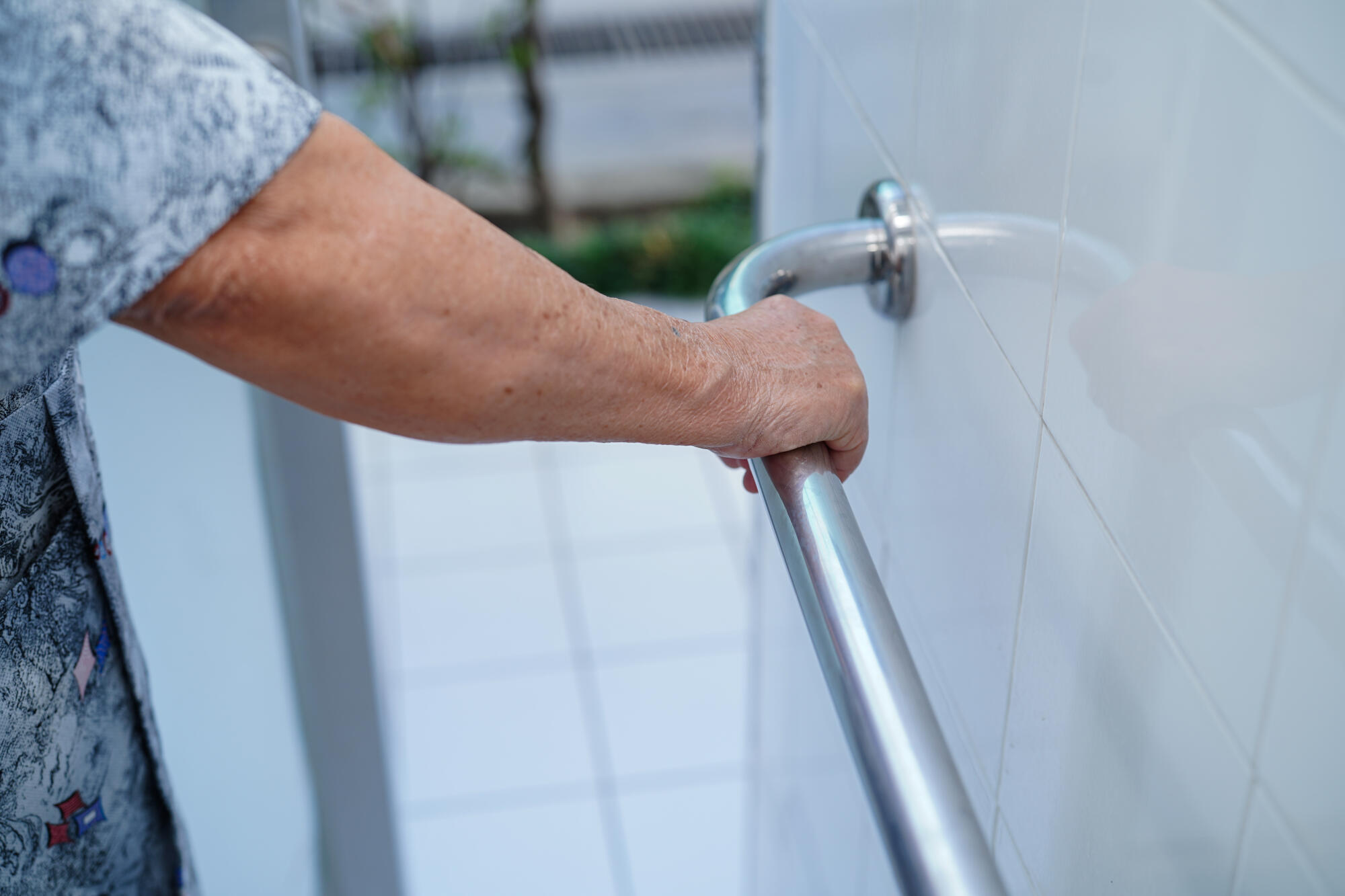
- Grab bars: They provide essential support when getting in and out of showers or using the toilet.
- Non-slip mats: They add traction on wet surfaces such as kitchen and bathroom floors
- Shower chairs: Toilet safety frames provide essential support for people with mobility challenges when sitting, standing, or bathing
- Staircase handrails: Stair handrails provide essential support when using staircases and should extend beyond the top and bottom steps for safety
Good lighting not only helps seniors navigate safely but also enhances their comfort. This is especially important in hallways, bathrooms, and stairwells during nighttime hours.
Wearable Fall Detection and Alert Systems
Modern wearable devices represent a big step forward in senior safety. These smart systems use sensors to detect when a fall happens. They automatically alert emergency contacts or monitoring centers.
Key features of quality wearable alert systems include:
- GPS tracking to find the location quickly
- Two-way communication with monitoring centers
- Automatic fall detection using smart sensors
- 24/7 emergency response services
- Waterproof designs for shower safety
When triggered, these devices connect the wearer to emergency teams. These teams can check the situation and send help if needed.
Additional Fall Prevention Aids
Simple mobility aids for older adults can make big differences in daily safety. They make daily activities safer for seniors. Here are a few examples:
- Fall prevention socks give better traction on smooth floors like hardwood or tile.
- Bedside rails help seniors get in and out of bed safely.
- Fall mats placed beside beds can cushion falls during nighttime.
- Gait belts help caregivers assist seniors with moving safely.
- Reaching devices remove the need to stretch or climb for items on high shelves.
These smaller devices cost less than major safety equipment but offer valuable protection. The best part is that most require no installation or special training.
How to Choose the Right Fall Prevention Devices in Raleigh, NC
Picking the right assisted living fall protection devices requires careful thought. The right mix of devices varies depending on individual situations, living arrangements, and specific risk factors.
Assessing Individual Needs and Risk Factors
Start by checking the senior’s current mobility level and thinking abilities.
Look at medical conditions that increase fall risks. Think about where falls are most likely to happen. This includes bathrooms, bedrooms, or stairways.
Write down any previous falls or close calls to spot patterns. Physical therapy checks can provide helpful insights. They show balance issues, muscle weakness, or walking problems that certain devices may help with.
Evaluating Device Features and Capabilities
When comparing wearable alert systems, consider:
- Battery life
- GPS accuracy
- Response time
- Ease of use
The device should be comfortable for daily wear. It should also be simple enough for seniors to use daily.
For home safety equipment, think about installation and maintenance requirements. Consider how well they work with existing home features. Professional installation may be needed for grab bars and handrails to ensure proper support.
Finding Local Providers and Services
Look for local Raleigh providers who offer personal consultations. These help families choose the best options. Professionals can check homes and suggest specific device combinations based on individual needs.
Choose systems that work well throughout the Triangle area. This includes spots where seniors often travel for doctor visits or social activities.
Tips for Integrating Fall Prevention Devices in Daily Life
Successfully using assisted living or memory care safety tools requires more than just buying equipment. Proper training, upkeep, and daily routine integration ensure maximum protection when needed.
Key steps for successful device integration include:
- Providing complete training for seniors and caregivers on proper device use and emergency procedures
- Practicing emergency responses regularly so they become automatic during real situations
- Creating simple instruction cards near devices as reminders for correct operation
- Testing alert systems monthly to ensure they work properly when needed
- Keeping emergency contact information updated with monitoring services
Aging in place resources often include professional assessments that identify additional safety improvements beyond devices.
Embrace Enhanced Safety and Peace of Mind in Raleigh, NC
Falls do more than cause physical injuries. They can impact mobility and lead to the loss of independence. Modern fall prevention devices offer effective solutions for enhancing senior safety in Raleigh, NC. The key is selecting the right combination of devices tailored to individual needs.
At Terrabella Northridge, we recognize the importance of complete safety measures for our residents. That’s why we follow safety protocols to ensure peace of mind for families while keeping the independence our residents value. We also provide 24-hour care and offer accessibility features.
Schedule a tour to discover how our assisted living and memory care services support the safety and independence of seniors.